
Aircraft in Touch
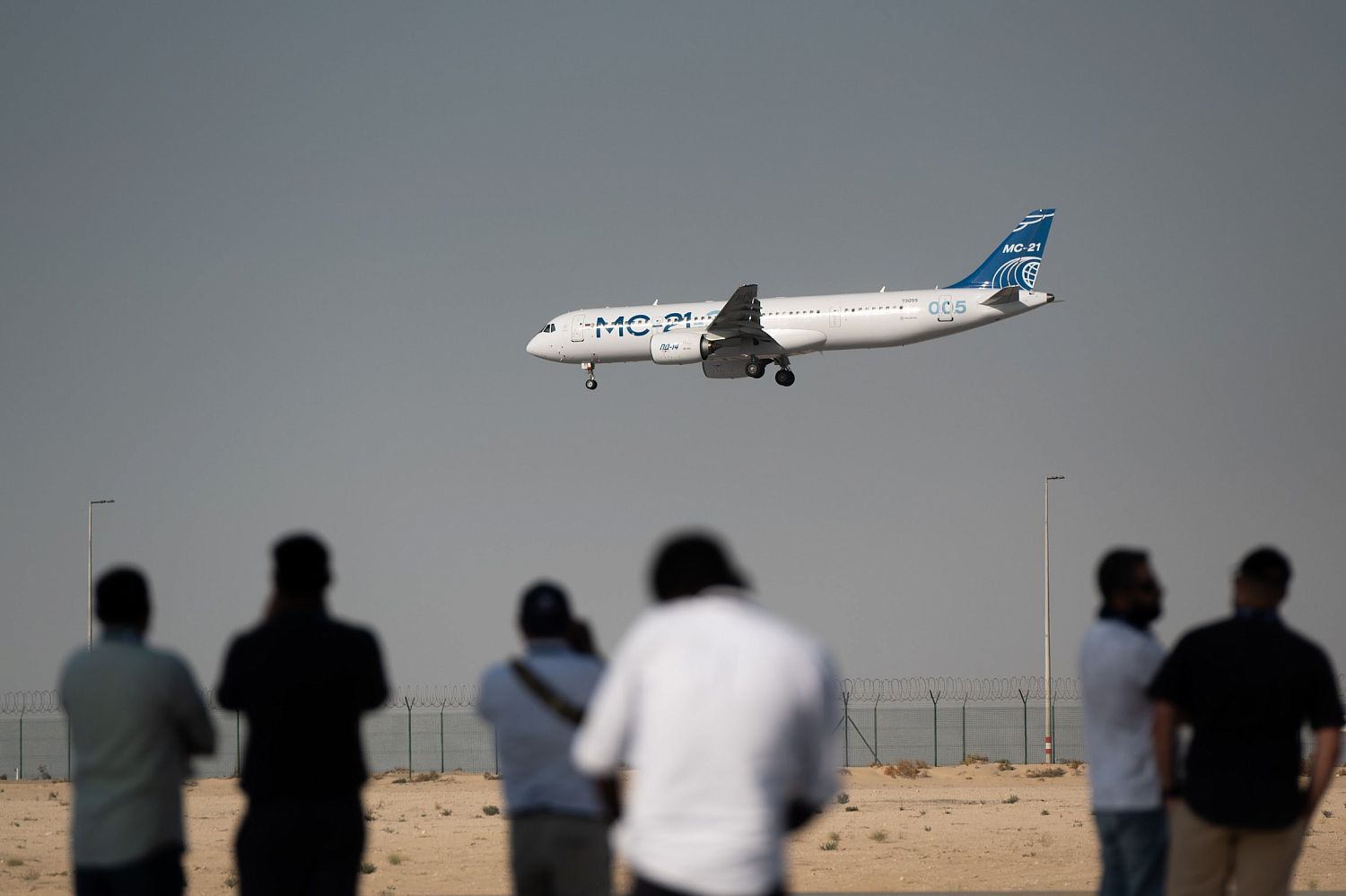
About high quality continuous communications between ground services and aircraft, and what part Rostec companies are playing in this
Photo: Rostec State Corporation
Since 2022, global ACARS (Airborne Communications Addressing and Reporting System) providers have stopped rendering their services in Russia. Meanwhile, this aircraft—ground datalink plays a key role in ensuring flight safety. It is used by pilots and air traffic controllers to exchange current information, control flight conditions and prevent incidents.
Infocom-Avia and Azimut included in Rostec are involved in the system import substitution.
‘See, hear, control’
This unbreakable and most important rule of a flight operations director and air traffic controller is a key to aviation safety. All aircraft crew actions in flight are continuously supervised and controlled by ATC (air traffic control) ground service personnel.
Photo: Rostec State Corporation
All ATC bodies are currently included in the Unified Air Traffic Management System, abbreviated as UATMS. Aircraft flight control from ground is possible only when continuous and stable communication is established and air traffic control radar systems work properly.
SMS between earth and sky
One of the services that have been used by Russian companies until recently was an aircraft-ground digital datalink (ACARS, Airborne Communications Addressing and Reporting System) provided by foreign commercial providers: SITA (Switzerland) and ARINC (USA). This system enables users to send/receive real-time aircraft condition data, main system parameters in flight, and shares weather, navigation, operational planning and other data with an aircraft.
On the other hand, the performance data sent from an aircraft to ground may be used to prepare, arrange and carry out aircraft maintenance immediately after landing.
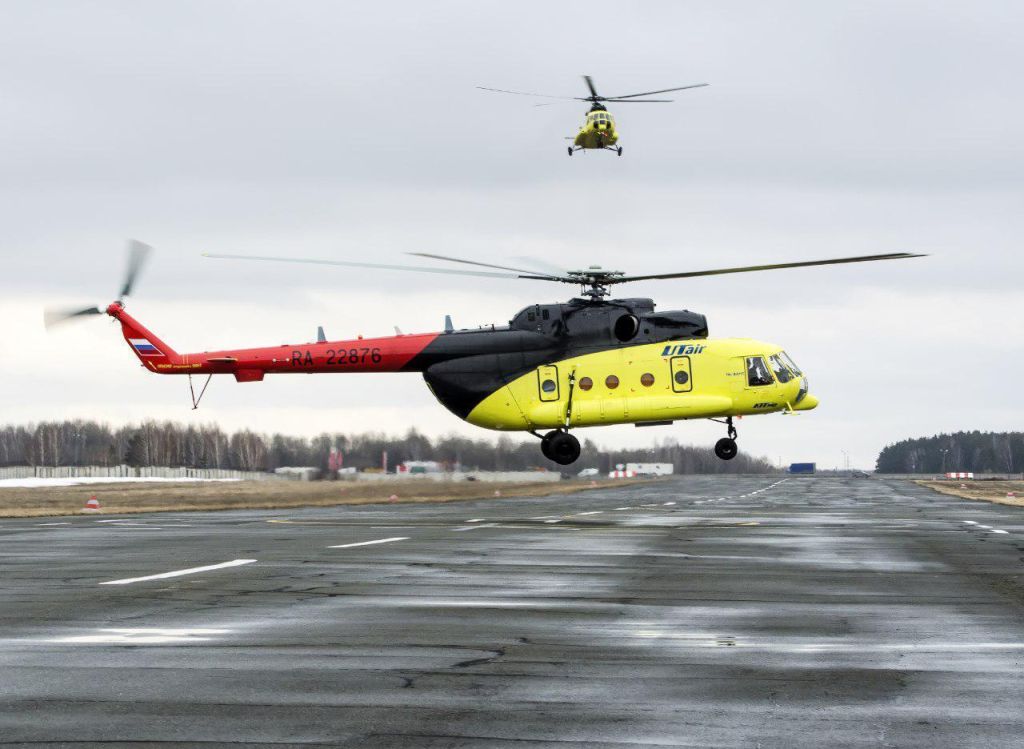
Photo: Russian Helicopters
For ACARS operation using the foreign configuration, a radio station network was needed in our country, however, the centers that processed incoming and outgoing messages were preferably located abroad. Thus, foreign system developers and owners had a leverage that could directly affect flight safety. Since the introduction of sanctions in 2022, ACARS was not available to Russian airlines any longer with all that that implied.
ACARS in Russian
But, as the saying goes, every cloud has its silver lining. Stringent measures taken by foreign companies served as an incentive for creating a domestic system. Today, in 2025, it may be positively stated that Russian engineers have successfully completely solved the complex problem of substituting the foreign system with a fully domestically made one. Now Russia has its own ACARS that is equally as good as the foreign systems.
The system was developed by professional teams of the companies included in Rostec State Corporation. Infocom-Avia is a Russian solution developer and information service provider in the field of aviation operations, and Azimut is focused on the development, manufacturing and supply of communication, navigation, landing, surveillance and air traffic control systems, complex airport, airfield and ATC center equipment projects.
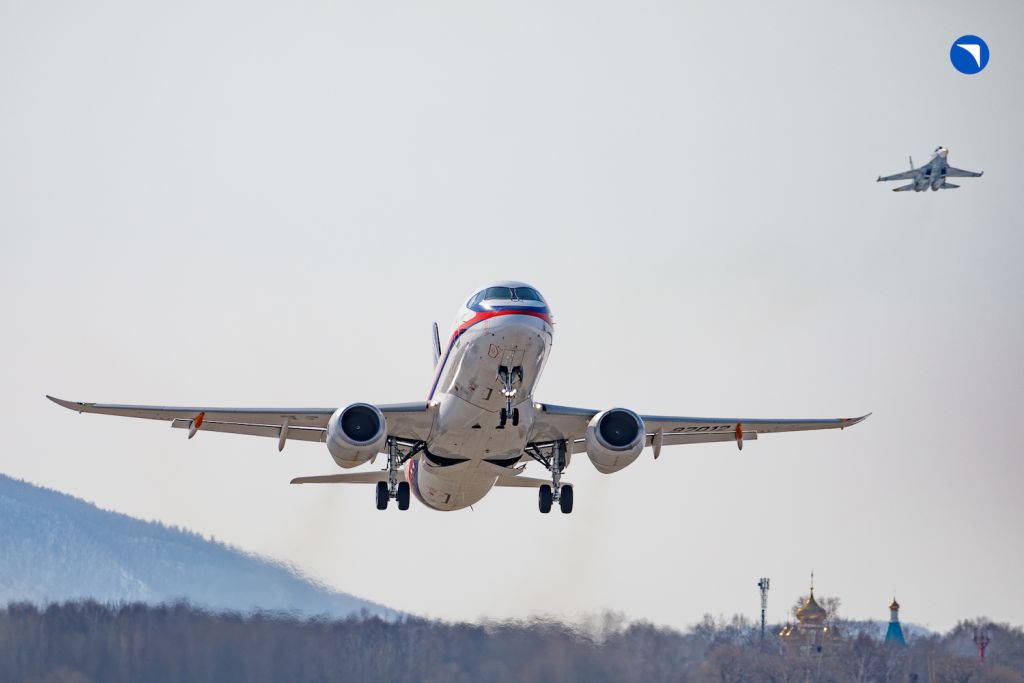
Photo: United Aircraft Corporation
Russian professionals have developed, tested and brought into service the equipment that provides stable digital communications between an aircraft and UATMS ground station. The number of airports that currently use the domestic ACARS equipment, which either replaces the import system or has been newly delivered, is growing continuously. According to experts, 105 ground stations are needed to provide trouble-free functioning of the system throughout the entire territory of our country for all Russian airlines. One of the first systems was installed at Sheremetyevo Airport.
Furthermore, a Russian ACARS processing center was put into operation. This center collects, processes and reviews all information to provide recommendations on the basis of analytical results and to facilitate the decision making process. Aeroflot and S7 are currently connected to the center.
Continuous efforts are taken for the development of new types, subsystems and functions of the domestic ACARS to ensure flight safety and improve air transport performance. That means that Russian airplanes will be in touch!