
Lean Manufacturing
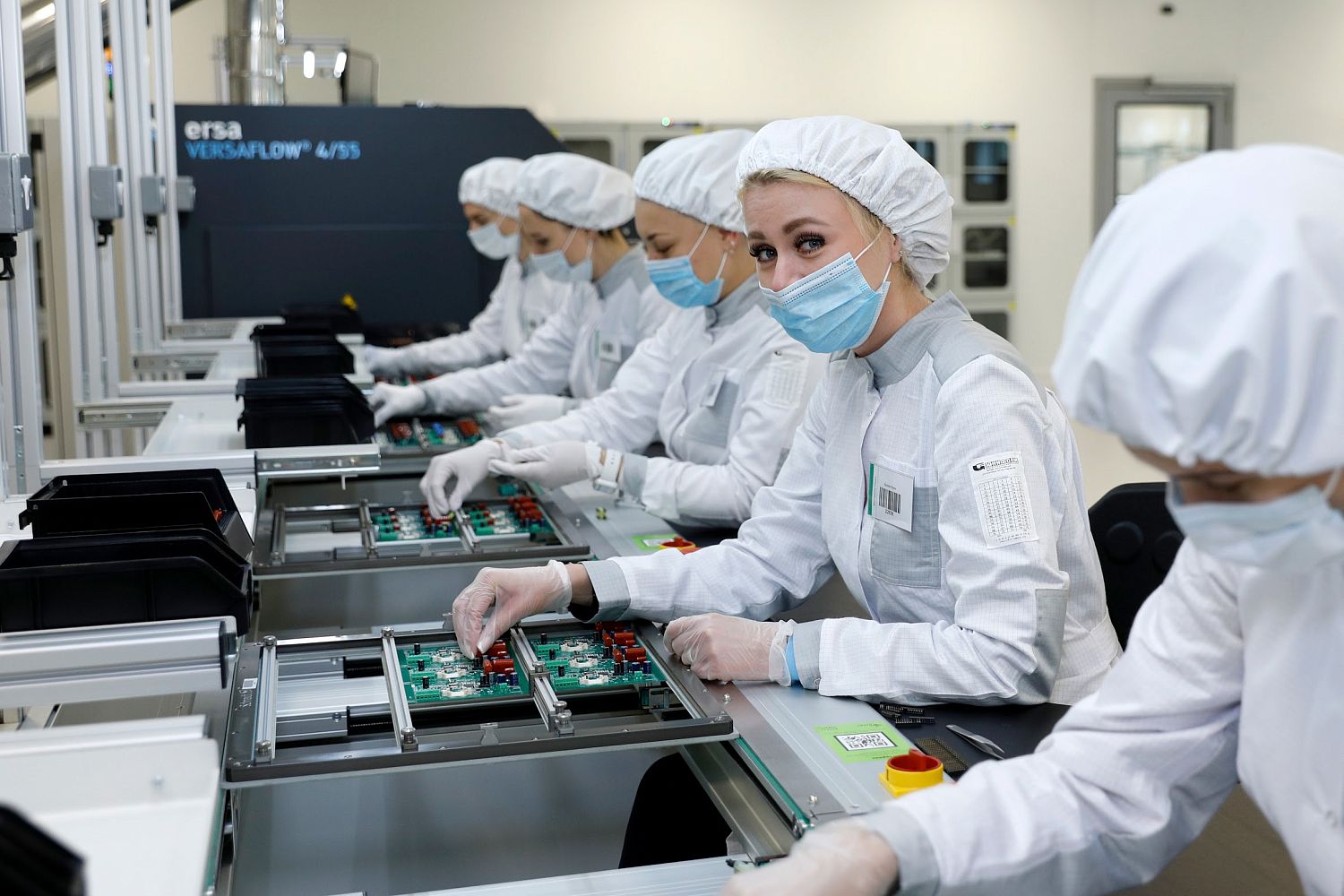
About resource management methods and their implementation at Rostec’s companies
Photo: Rosel
National Project Productivity and Employment Support was completed in Russia in 2024. More than 6,000 companies participated in the project. Introduction of lean manufacturing methods enabled many of them to increase their KPI, improve corporate culture and reduce expenses. Following the results of the project, it was noted that this approach took hold not only at manufacturing facilities, but was also extended to service and public sectors.
Lean manufacturing is based on efficient resource management methods and kaizen philosophy, or continuous improvement. All company personnel are supposed to be committed to optimizing their labor, thus, improving their competence and establishing work processes. This reduces downtime and loss, and improves the product quality. This business culture came from Japan.
Eastern roots
After World War II, Japan underwent an economic crisis, businesses were seeking the ways to reduce their loss and improve their efficiency. Taiichi Ohno, whose name is associated with the lean manufacturing concept development, started his career as an engineer at Toyota. In the late 1940s, he emphasized the key problems which the company was facing: Overproduction, waste of time, defects, superfluous operations. In the 1950s, to solve these problems, Ohno and his colleague Shigeo Shingo developed special methods and tools that became a milestone of the lean manufacturing philosophy.
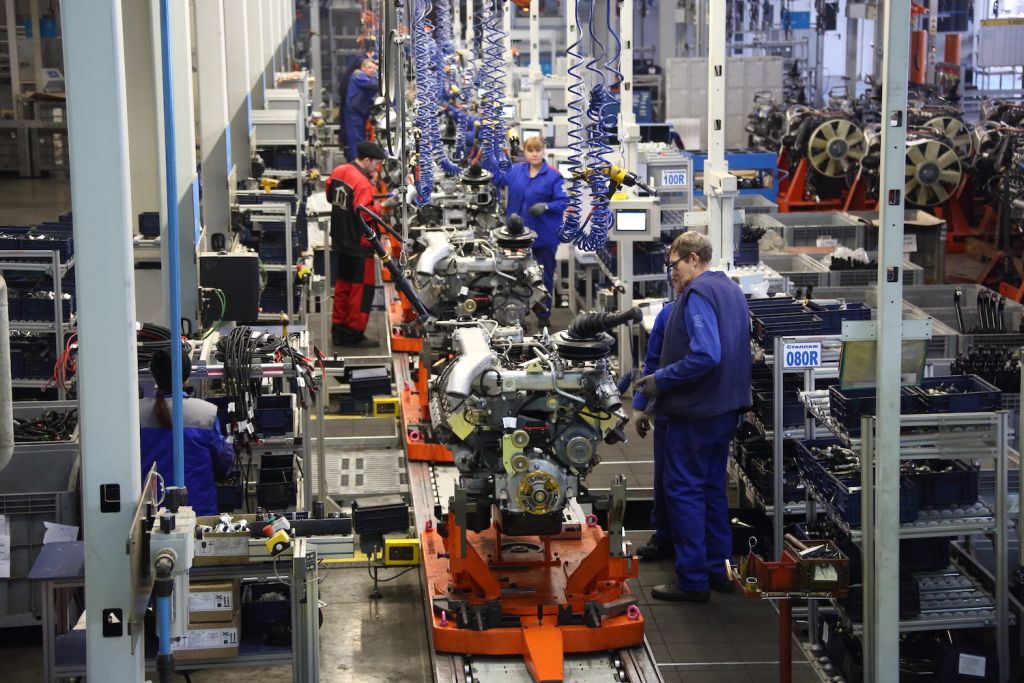
Photo: KAMAZ
These methods and solutions should have not only influenced production technology, but also inspired the personnel to treat their work more attentively, while feeling safe to propose improvements. It was the Japanese kaizen concept, i.e. pursuit of continuous improvement, that played there the crucial role. When personnel are encouraged to do their work in a diligent manner and are aware of their personal value, they develop their competence and contribute to the collective company and product success.
New approaches to production in Russia
Rostec companies were one of the first to introduce the lean manufacturing concept in Russia. KAMAZ is the pioneer of the lean approach in Russia. KAMAZ creates ergonomic work places and standard workshops to reduce the expenses and improve production safety. One hundred workshops of this kind and more than 7,000 ergonomic work places have been provided at KAMAZ facilities since 2016. A special committee verifies whether business divisions meet the standard status. Achievements in the development of the in-house production system enable the company to share its experience with other companies.
KAMAZ encourages the personnel to set forward kaizen proposals — ideas of making the best use of equipment, reducing the amount of defective products and saving resources. In 2022, the cost effect of implementing a winning project at KAMAZ’s foundry was about 2 mln. Rubles.
United Aircraft Corporation (UAC) sets forward the lean manufacturing philosophy as its basic business approach. Yakovlev production center included in UAC treat the personnel as production culture drivers. Innovation is a part of this culture. Kaizen proposal competition is held at the production center every quarter. Winners get various prizes. In 2024, more than 70% of Yakovlev’s employees suggested at least one idea and improved the work process. More than 4,500 kaizen proposals were made over the year.
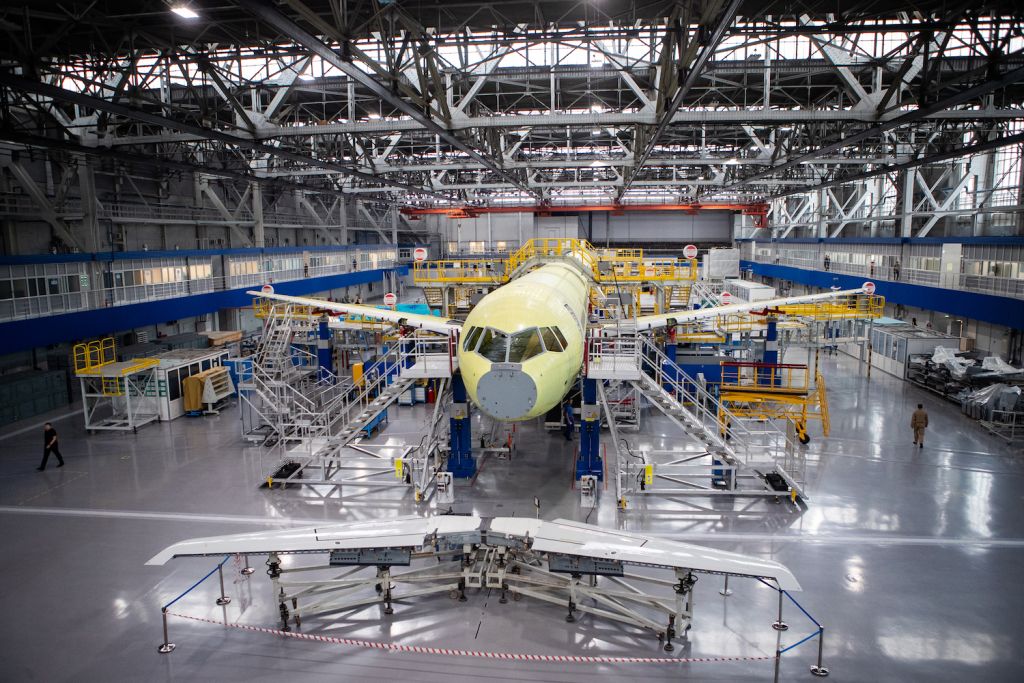
Photo: United Aircraft Corporation
Kaizen activity is popular among Kalashnikov Concern personnel. As early as in 2015, the company launched Russia’s largest laboratory with modular training zones and lean approach tool training classes.
Effective personnel communication, general involvement in creating a high quality product are critical for the production system development. Kalashnikov encourages the personnel to participate in transformations, improves personnel incentives and discipline. More than 5,000 proposals on the improvement of work processes were recorded at Kalashnikov in 2023. The cost effect of these improvements was equal to 80 mln. Rubles. More than 2,000 kaizen proposals were recorded over the first six months of 2024 with the cost effect exceeding 55 mln. Rubles.