
Coke: ‘Grey Gold’ of the Iron and Steel Industry
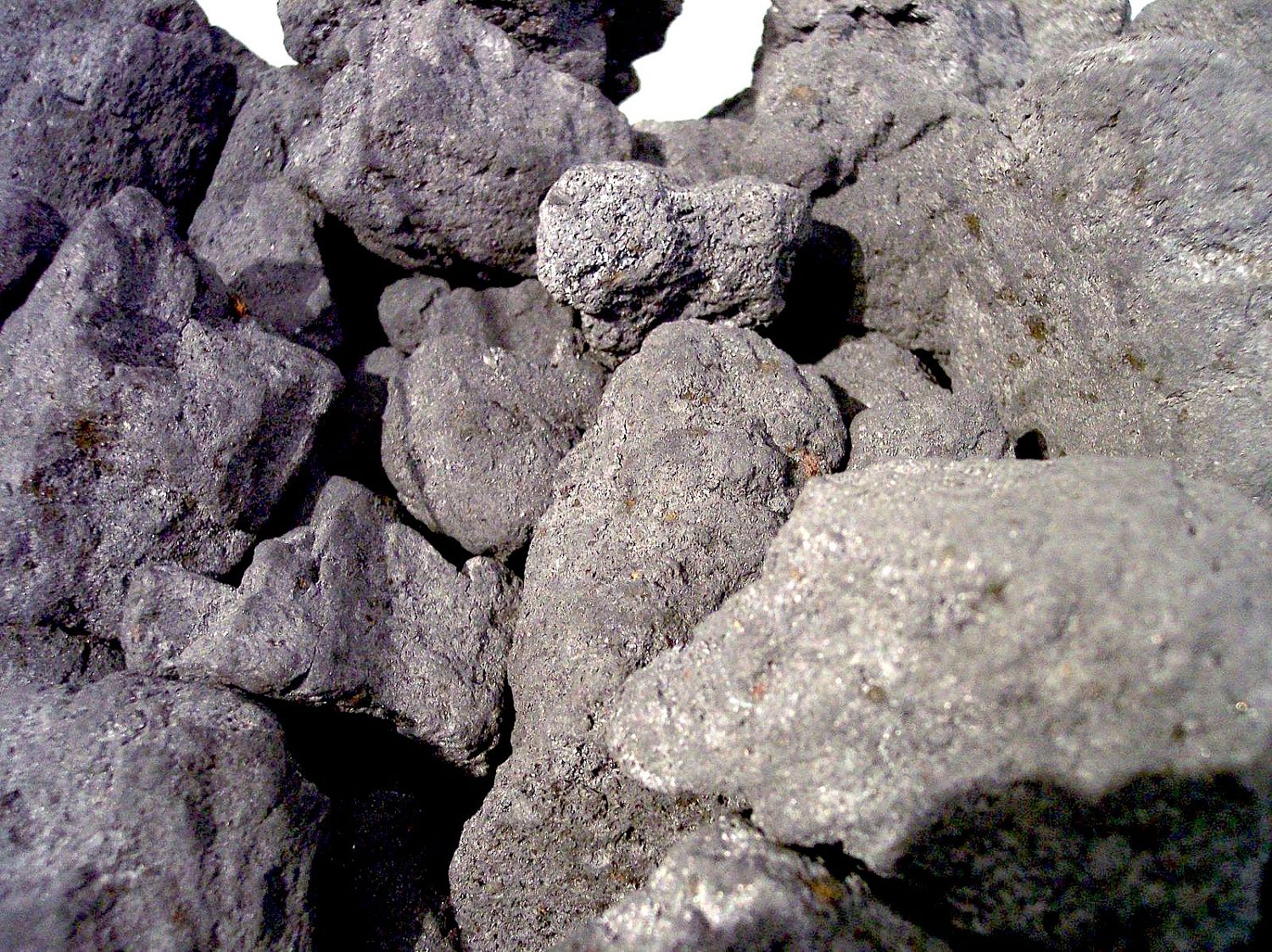
How this material is produced, what it is for and a role played by the Eastern Coal Chemistry Research Institute in this process
Photo: Stahlkocher / wikimedia.org
Iron and steel industry can’t do without coke like a vehicle without fuel! Coke is an indispensable fuel in the iron and steel industry and foundry offering ore smelting and production of metals and alloys.
Coke quality in Russia is controlled by the Eastern Coal Chemistry Research Institute. The Institute’s laboratory examines various grades of coals and combines them to get coke with the best properties.
Read below why we need coke and how it is produced.
What is coke?
Coke is a hard, porous material made by heating coal in the absence of air. This process is called coking and takes place at temperatures about 1000–1100 °C. Volatile matter is consequently removed from coal and the residue is transformed into coke — a carbon-rich product that has a high calorific effect and physical strength.
Coke fulfills two main functions in the iron and steel industry. First, when burnt in blast furnaces, coke releases large amount of heat, which is necessary for smelting. Second, coke reacts with ore to reduce iron oxides and to transform iron into pure metal.

Coke was, in fact, discovered by chance in England in the early 18th century. Miners noticed that when coal was heated in the absence of air, it lost gases and was converted into a harder pure fuel. The first methods for commercial production of coke were developed by ironmaster Abraham Darby who used coke for smelting iron. This discovery played a key role in the development of iron and steel industry and Industrial Revolution — today coke is used in all blast furnaces throughout the world.
How coke is born
Special coal is needed to produce coke: it shall be dense, contain few impurities and cake well. Coal is ground to a grain size of less than 3 mm and then mixed.
The prepared coal is charged into huge coke ovens. The ovens are narrow chambers laid with refractory bricks that withstand extremely high temperatures. Coal is charged into the oven and then sealed tightly to avoid entry of air into the oven.

Photo: Obninsk Research and Production Enterprise "Technologiya"
Then the oven is heated. Volatile matter starts being released from coal exposed to high temperature. Coal loses all volatile components gradually, during 15 to 20 hours, and is converted into coke. It turns silver-gray and becomes very firm.
VUHIN: 90 years of coal expertise
Rostec’s Eastern Coal Chemistry Research Institute (VUHIN) is one of the key Russian companies that has been providing the iron and steel industry with high quality coke for almost a century.
VUHIN is focused on the study of coal properties and coking process improvement; development of eco-friendly techniques to reduce pollution; creation of new types of coke with improved performance.

Photo: wikimedia.org
Due to VUHIN’s efforts, the iron and steel industry is provided not only with high quality fuel, but also with solutions to reduce costs and minimize environmental impact. This makes the company an important player in keeping Russian steelmakers up with other companies in the global market.
Future of coke: is there any alternative?
Despite its indispensability, coke will probably give place to new technologies. The iron and steel industry is experimenting with direct hydrogen reduction of iron, plasma and other technologies that can potentially reduce the industry’s dependence on coal. However, coke is still the key fuel for the iron and steel industry and its quality directly affects a success in production.